 All Recipes
 Beverages
 Breakfast
 Appetizers
 Dinner
 Sides
Sides
 Dessert
 Videos
These Infused Olive Oil Recipes are simple to prepare and have many flavor options such as lemon and thyme, chili oil, and herb-infused oil. Include are safe guidelines for preparing these at home as well as how to turn them into a beautiful gift.
Why This Recipe Works
There are many uses for infused oils, but cooking, dipping bread, salad dressing, and flavoring pasta are just a few. These oils add a flavor burst to just about any recipe and are great when preparing simple meals that just need a small boost in taste.
Many of the oil flavor options below such as lemon thyme or garlic-infused oil make a great sauce alone for pasta. One of my favorite uses is for marinating meat or vegetables before roasting or grilling them.
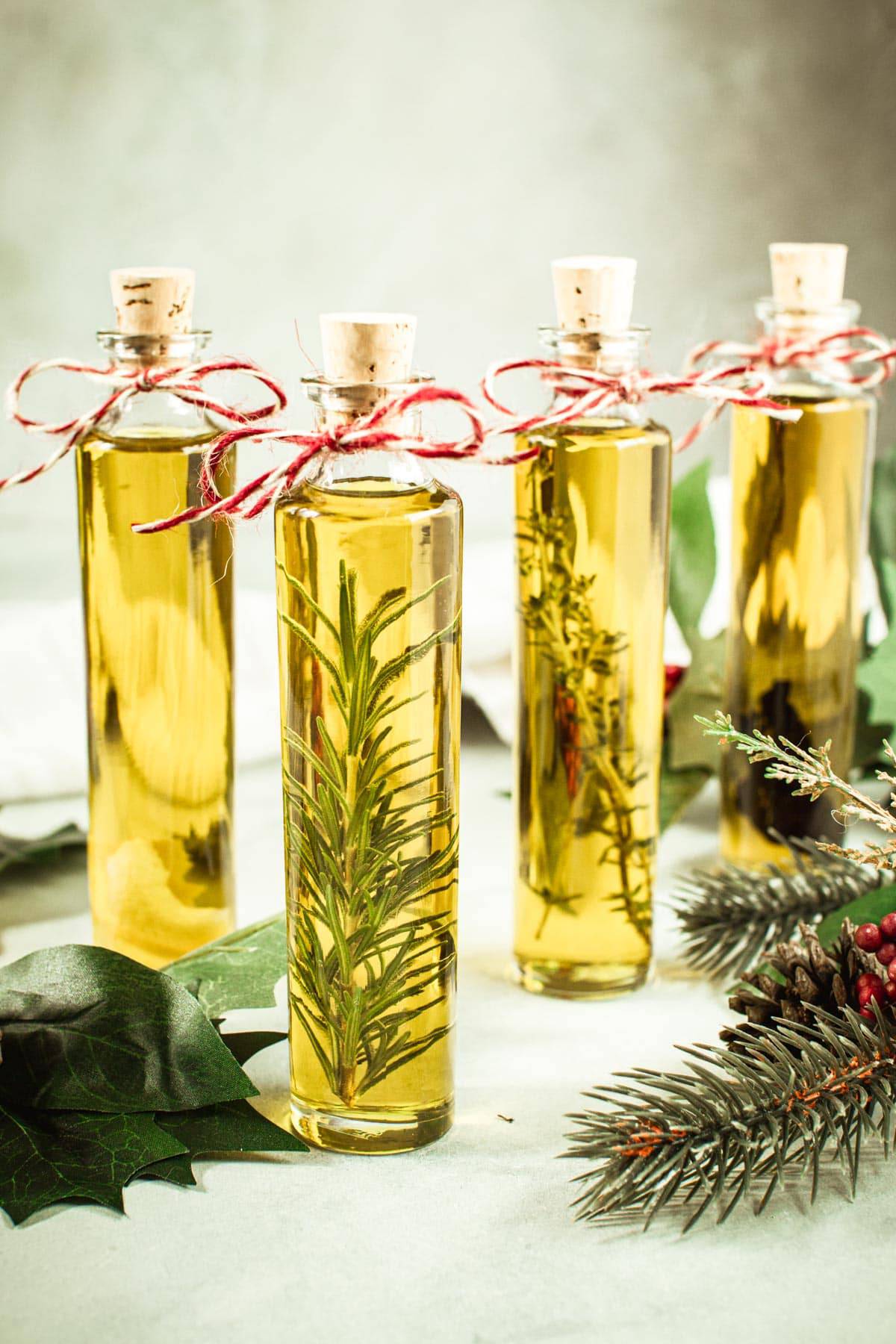
They also make beautiful homemade gifts just like this Christmas Potpourri and are easier to prepare than cookie tins during the holidays.
I’ve done tons of research on preparing these oils and have included guidelines for safely preparing them as well.
Safely Infuse Oils
Infusing olive oils involves immersing garlic, basil, oregano, rosemary, and other herbs and spices in oil to extract their flavors. This process can easily be done at home too!
Using fresh herbs or garlic to infuse oils can be a source of foodborne illnesses though such as botulism, and because of this preservation of these oils is not recommended. However, based on research from the University of Idaho they have found a method of acidifying the fresh herbs or garlic before mixing them into the oil.
There are ways of preparing garlic and herb-flavored oils at home without acidifying the flavoring materials, but you must follow the safety control. They need to be refrigerated and will last a maximum of 2 to 4 days, and can also be frozen. It’s not safe to store these homemade garlic and herb-infused oils at room temperature.
The process of infusing olive oil by way of acidifying garlic and herbs in this post is based on the research for safe guidelines developed by the University of Idaho, Oregon State University, and Washington State University.
Popular uses for infused oils include dipping bread, making salad dressings, and flavoring pasta.
Equipment Needed
You don’t need much equipment for preparing these flavored oils, but some of the items below will help make the process easier. If you plan on giving these as gifts then some of the bottles I like to use are these: Dark Green Oil Bottles, 3.4 ounce bottle, cute bottle, potion bottle, or this dressing cruet
- Small Strainer or Cheese Cloth
- Small Saucepan
- Measuring Cup
- Nesting Mixing Bowls
- Bottles
- Small Funnel
- Candy Thermometer
How to Infuse Olive Oil
These Infused Olive Oil Recipes are simple to prepare and have many flavor options such as lemon and thyme, chili oil, and herb-infused oil. Making your own homemade infused oil is easy and has just a few steps.
Step One: Choose Your Flavor
Choose the flavor you’d prefer to prepare first. You will need about 3 tablespoons of herbs or seasonings per 1 cup of oil for 1 bottle. Some of the flavors below will require an acidification process as well so you’ll also need citric acid.
Lemon juice and vinegar can NOT be substituted for citric acid and make sure not to confuse citric acid with ascorbic acid (vitamin c), which also will not work because it doesn’t have the same acidifying properties.
Herb Infused Olive Oil (acidify)
If you plan on cooking with the herb-infused olive oil then I recommend using fresh whole herbs, but if you’re using it for dipping bread or a charcuterie board then use dried herbs.
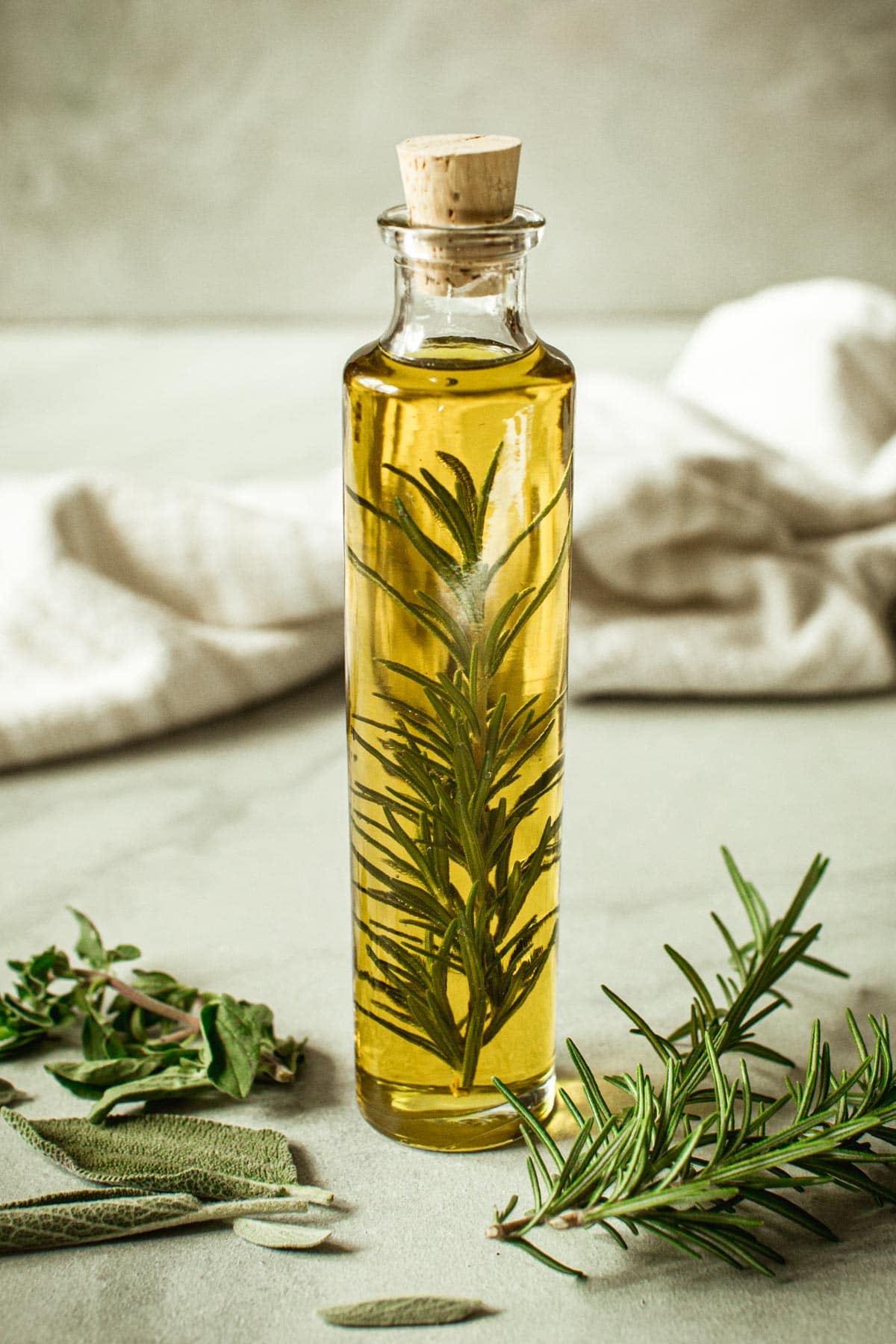
Dried Herb Blend
- 1/4 cup Dried Rosemary
- 1/4 cup Dried Thyme
- 1/4 cup Dried Oregano
- 1 1/2 tablespoons Citric Acid
- 1 cup Water
- 4 to 6 cups of Olive Oil
Fresh Herb Blend
- 12 sprigs Fresh Rosemary (reserve 1 to 2 sprigs to place in the bottle)
- 12 sprigs Fresh Thyme (reserve a sprig for bottling)
- 12 sprigs Fresh Oregano (reserve some sprigs for bottling)
- 1 1/2 tablespoons Citric Acid
- 1 cup Water
- 4 to 6 cups Olive Oil
Lemon Thyme Olive Oil (acidify)
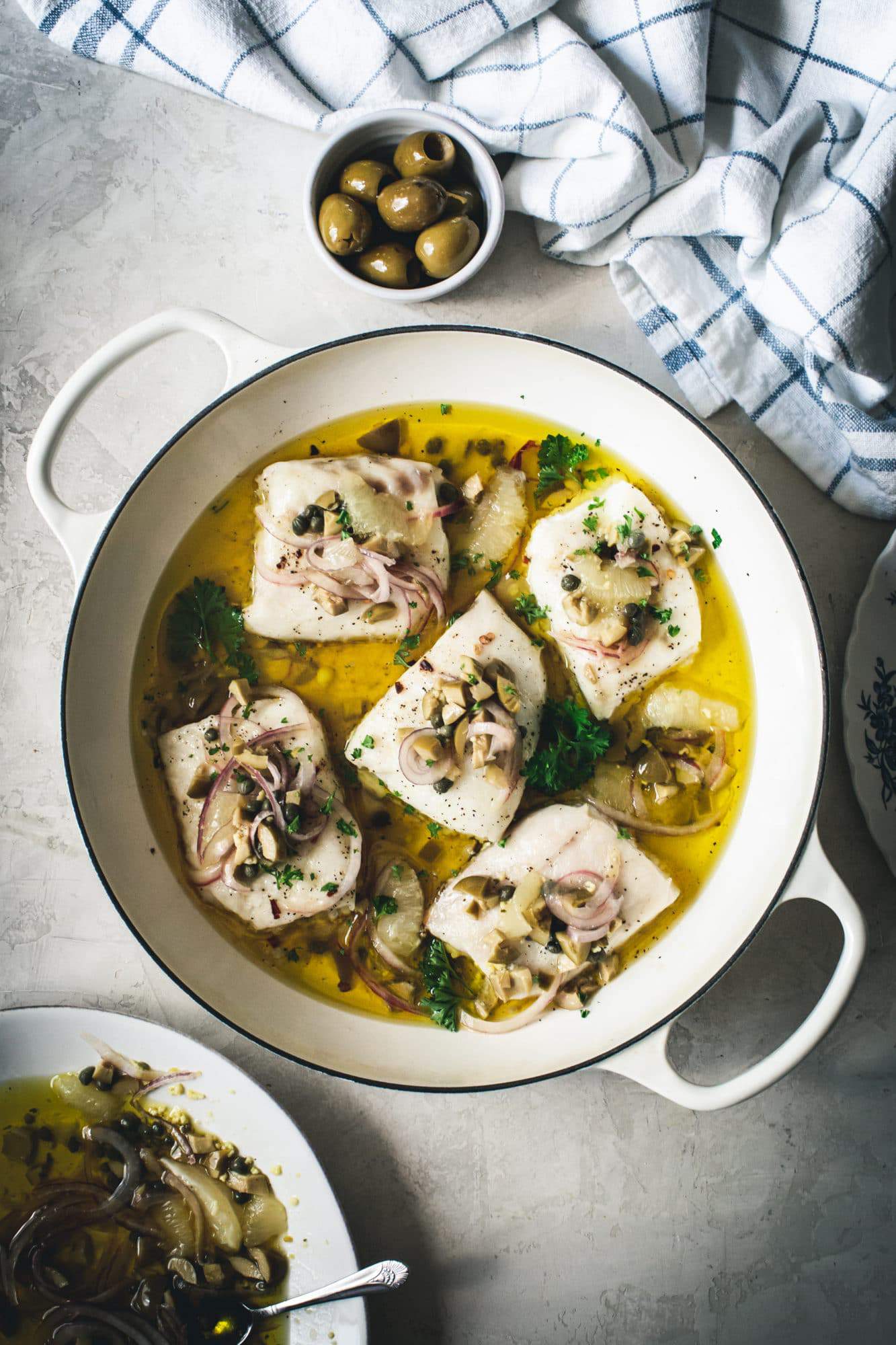
You can prepare this as a lemon thyme blend or simply as one or the other. If preparing lemon-infused olive oil you will not need to acidify the lemon peel first, however, the thyme will need to be acidified. This is an excellent oil for fish recipes such as Creamy Lemon Cod Piccata.
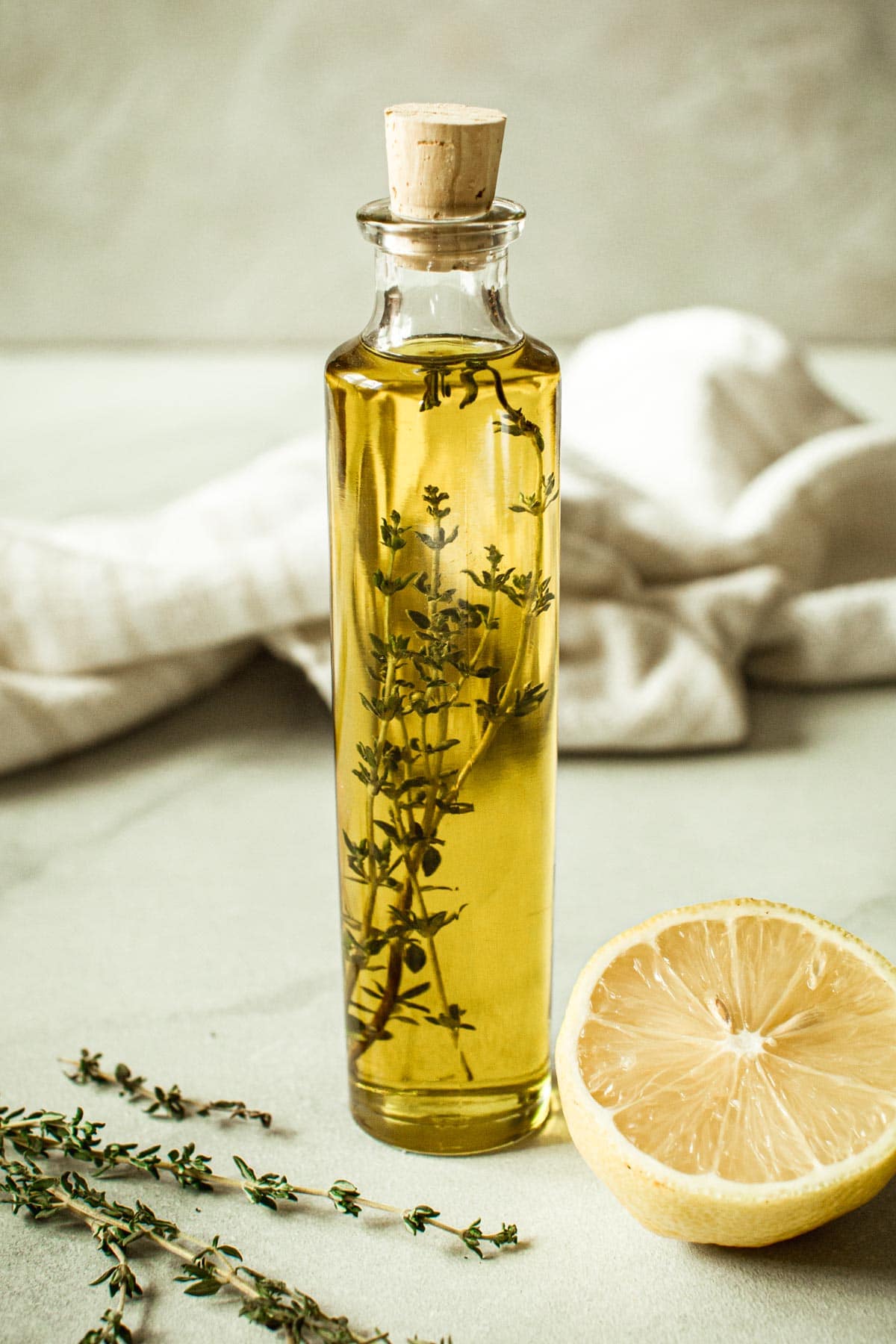
- Peel of 2 Lemons
- 6 sprigs Fresh Thyme
- 2 1/2 teaspoons Citric Acid
- 1/2 cup Water
- 4 cups Olive Oil
Garlic Infused Olive Oil (acidify)
- 1/3 cup Coarsely Chopped Garlic
- 1 1/2 tablespoons Citric Acid
- 1 cup Water
- 2 cups Oil
Safety Note: Oil creates an oxygen-free environment and therefore oils infused with garlic need additional steps to avoid bacterial growth. Garlic must be peeled and coarsely chopped into 1/4-inch sized pieces prior to soaking in the acidifying solution.
Chili Infused Olive Oil
This chili-infused olive oil is great for adding an extra kick of flavor or a little bit of spice. Try it in ethnic dishes such as Chicken Curry or Chickpea Spinach Curry. This oil is great for marinating chicken or cooking it as well as beef or fish.
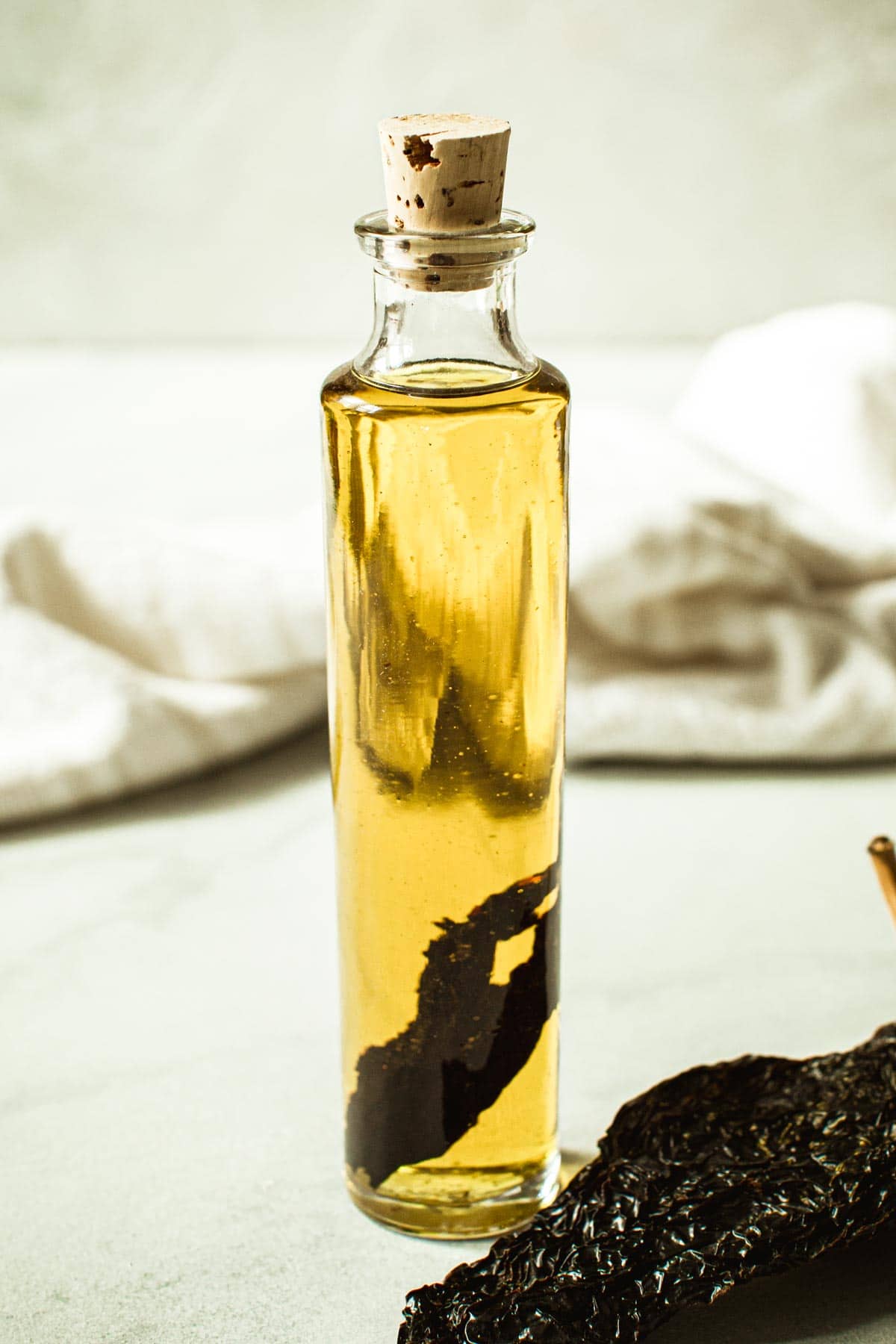
- 5 to 7 Dried Chilis, split down the center
- 2 cups Oil
Bread Dipping Oil (acidify)
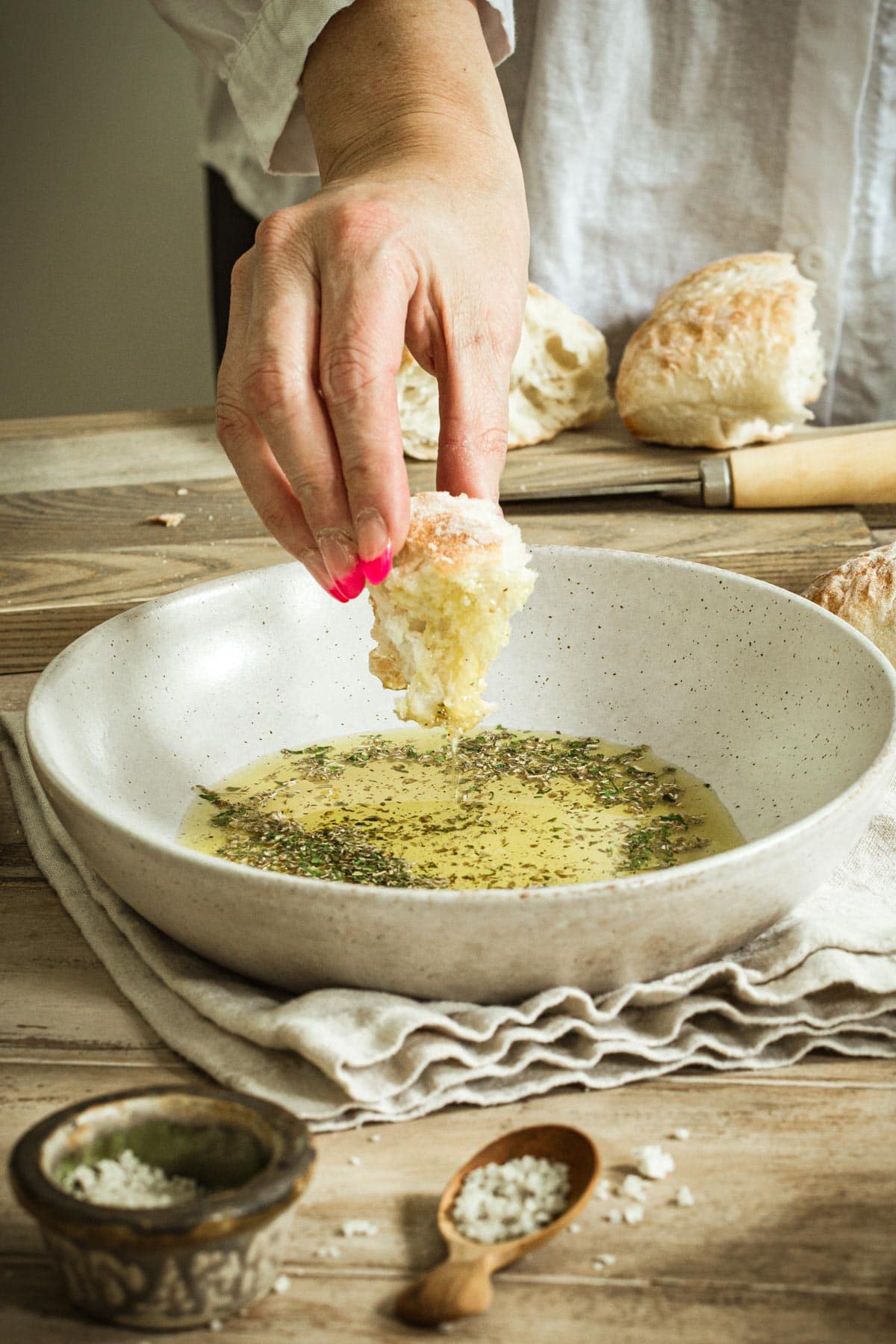
- 3 tablespoons each of Dried Oregano, Dried Basil, Dried Thyme, and Dried Rosemary.
- 2 teaspoons Dried Parsley
- 1 1/2 tablespoons Citric Acid
- 1 cup Water
- 4 cups Oil
Step Two: Acidify
If the flavor you choose does not need to be acidified skip to step 3. To soak the garlic or herbs in the acidic solution you will need 1 medium-sized bowl and 1 small-sized bowl (nesting bowls will work best).
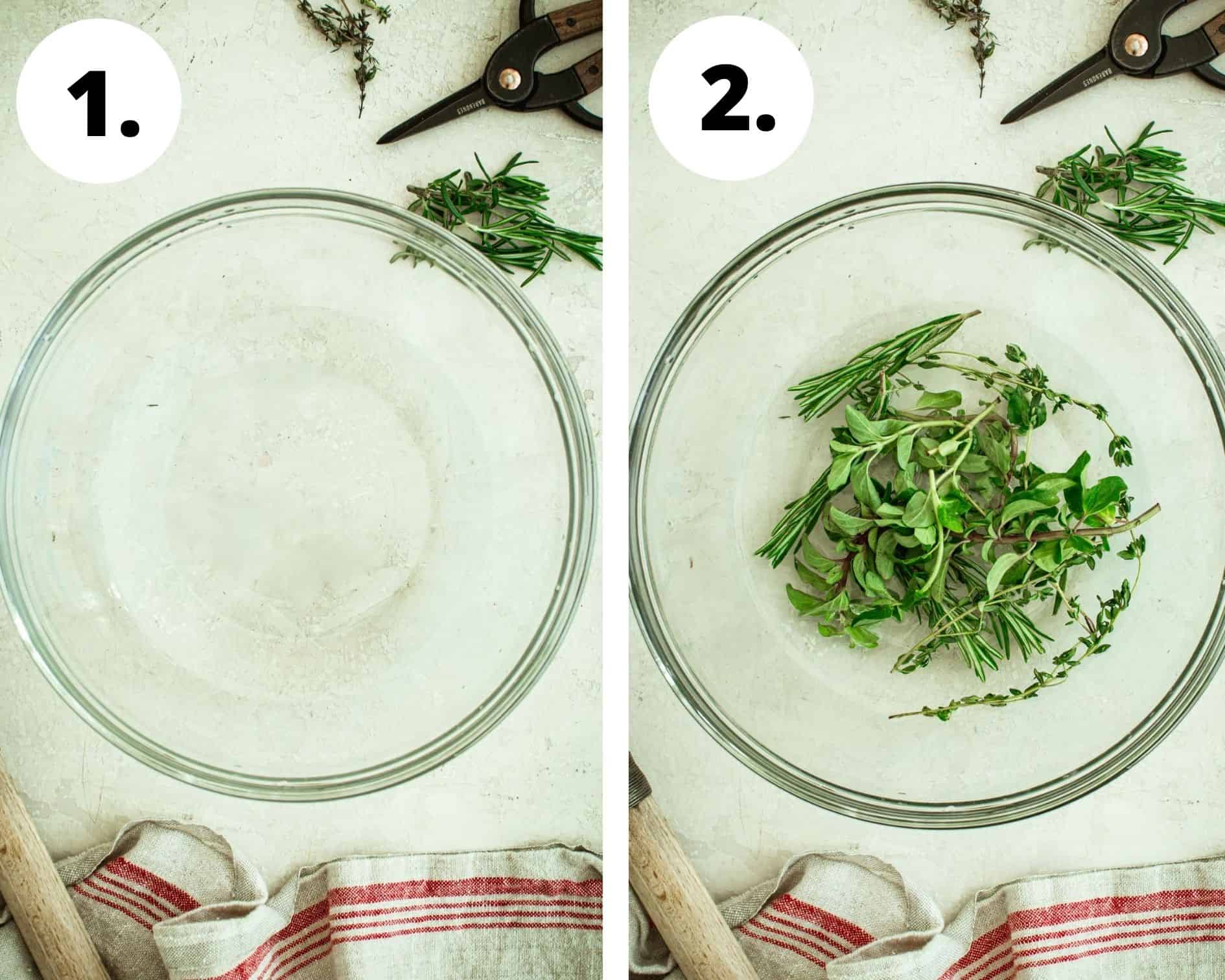
- Add the ingredients to the bowl. Place either the garlic or the herbs in the bottom of the medium bowl (the garlic needs a different amount of solution so it cannot be combined with the herbs).
- Prepare the citric acid solution. Mix the appropriate amount of citric acid with the coordinating amount of water and pour over the herbs or garlic.
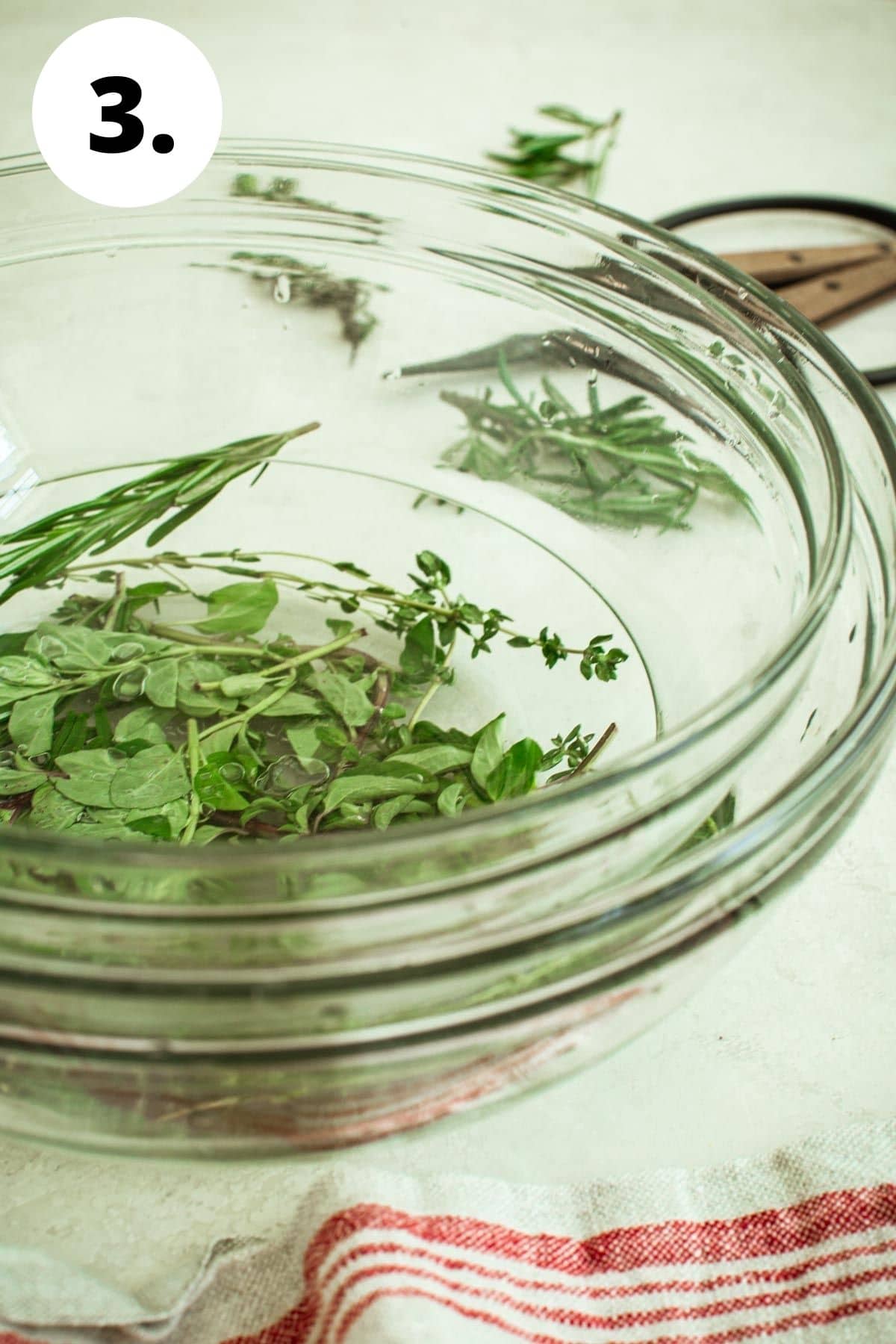
- Submerge. Nest the smaller bowl on top of the herbs and or garlic so they are fully submerged in the solution. You can pour some water into the smaller bowl to weigh it down.
- Soak. Allow the garlic or herbs to soak at room temperature for 24 hours, which allows the acid to fully penetrate the ingredients and bring the acidity beyond the growth limit for bacteria.
Step Three: Infuse
The most efficient way of infusing your olive oil with flavor is to heat it, however, you can also place the oil and the ingredients into a large bowl and cover it tightly for 1 to 10 days with the flavor increasing each day.
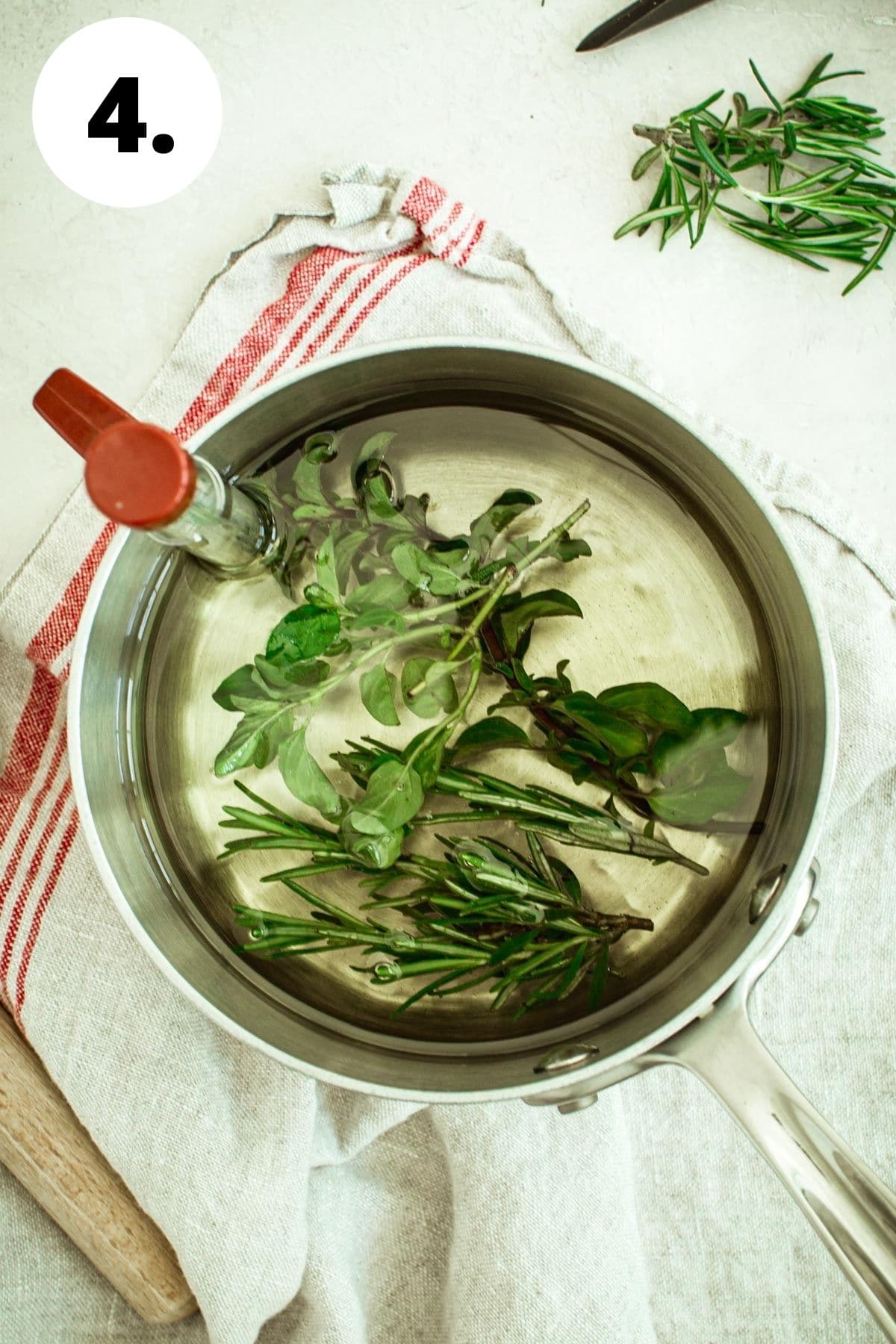
- Heat. Clip a candy thermometer to the size of a medium-sized saucepan and heat the oil to 140º F.
- Add the flavorings. Remove the herbs or garlic from the acidic solution and pat dry. Place in the oil. If the flavor doesn’t require acidifying then just add the ingredients to the oil.
- Cook. Heat for a maximum of 5 minutes to infuse the most amount of flavor. Anytime over 5 minutes may damage the oil.
Additional Safety Measure: As an additional safety precaution you can boil your storage glasses in water similar to what you would do to sterilize jars for canning. This will kill any bacteria and prevent c bot from being present.
Step Four: Store
This is the fun part where you get to decorate your bottles however you like. You can make small favor-sized bottles or large bottles with lots of herbs or flavorings in them.
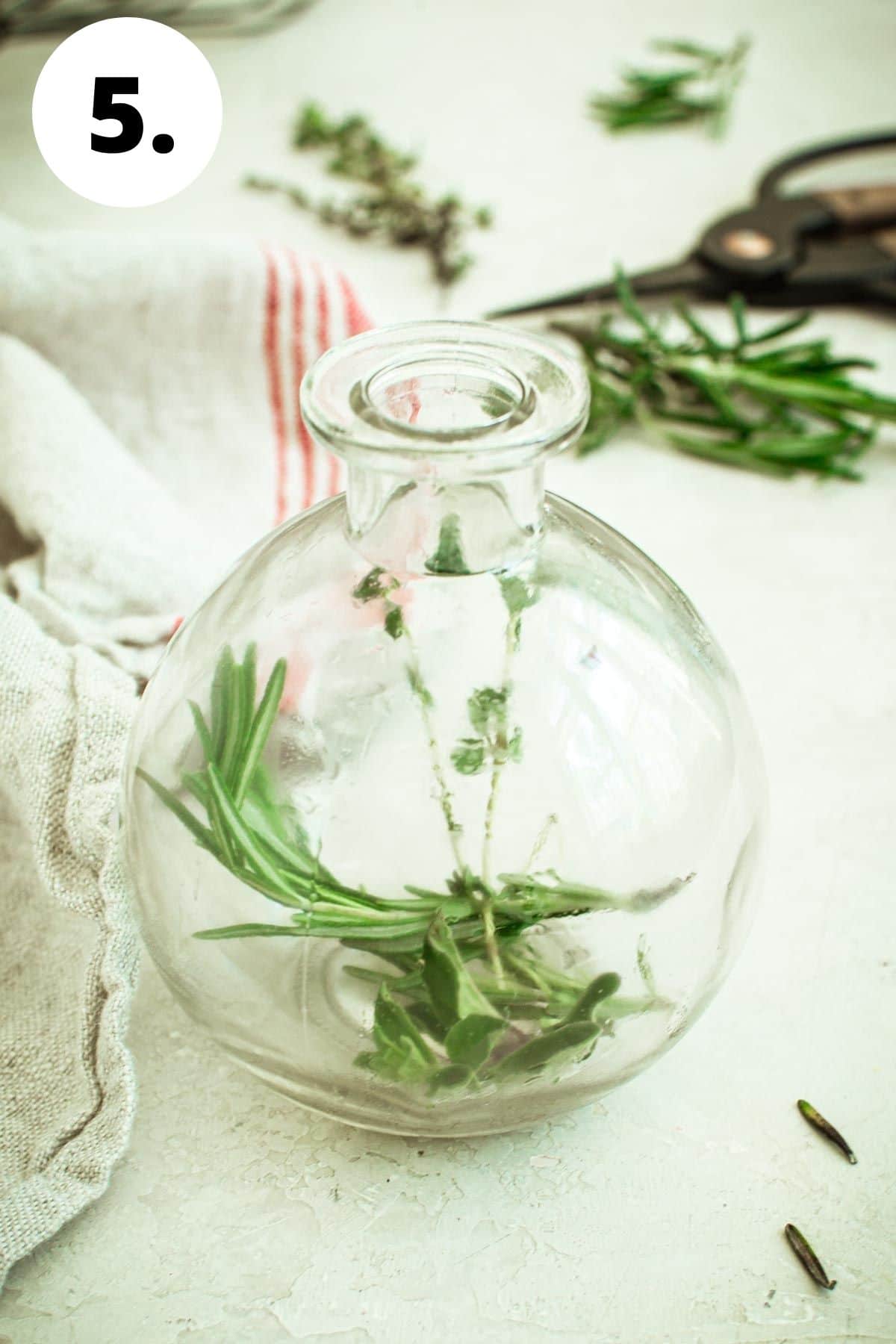
- Decorate. Add any decorative ingredients such as lemon peel or sprigs of fresh herbs (as long as they have been acidified) to the desired bottle.
- Strain. Strain the oil through a cheesecloth or a small strainer into a measuring cup.
- Pour. Arrange the small funnel on top of the bottle and pour the infused olive oil into the bottle and seal with the top or cork.
- Store. Place the oil away from heat and light and keep it in the fridge for longer shelf life.
Storage Information
- Fresh Ingredients: Infused oils made with fresh herbs and fresh garlic will last for up to 2 to 3 weeks stored in the fridge if you follow the acidification process (if required). If you choose not to do the acidification process the oil should be stored in the fridge and used within 2 to 4 days.
- Dried Ingredients: Other flavor combinations and dried herb-infused oil will last up to 3 months if stored in a cool dark place such as a pantry.
Uses for Infused Olive Oil
- Gifts: A hostess gift, Christmas gift, or treat for any foodie in your life.
- Favor: Send your friends or guests home with a delicious treat when you use these as a party favor.
- Marinade: Great for marinating chicken, beef, fish, or vegetables.
- Sauce: Pasta sauce or a way to add additional flavor to pasta or you can drizzle some on top of just about any finished dish.
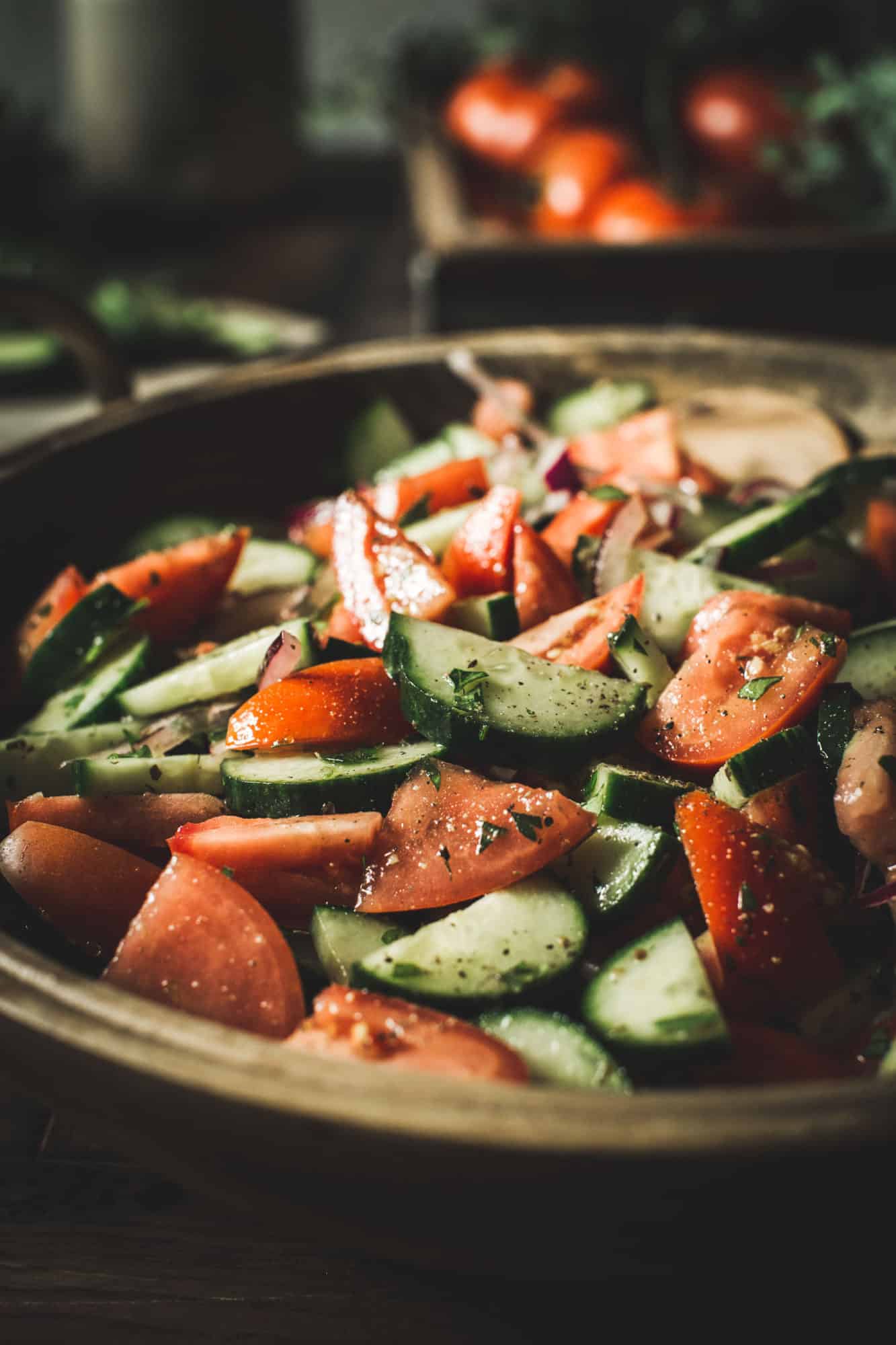
- Salad Dressing: These oils are a healthy option to use instead of a salad dressing and will bring so much flavor to even the simplest of salads.
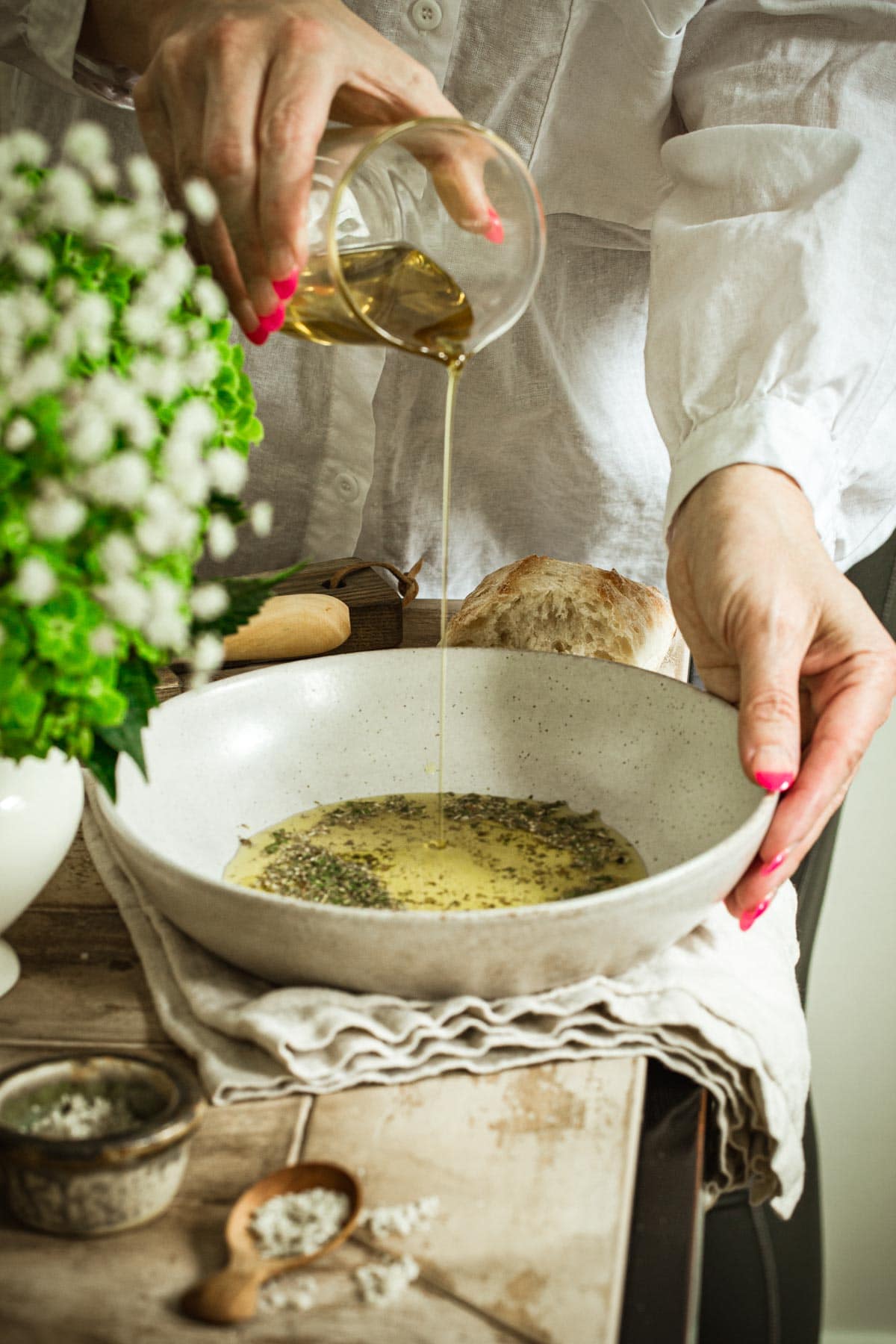
- Bread dipping oil.
- Great for charcuterie boards.
Recipe Notes and Tips
- Garlic, basil, oregano, and rosemary are all herbs that will need to be soaked in a citric acid solution to prevent the growth of harmful bacteria. Citric acid can be found in many grocery stores or stores where canning products are sold.
- The color of the green herbs will change slightly when soaking in the acidic solution.
- Keep the chopped garlic or herbs submerged by applying weight by placing a smaller bowl on top. You can even add some water to the bowl if necessary to weigh it down more.
- Acidic solutions that aren’t concentrated enough or decrease the soaking time could result in an unsafe oil.
- Use baker’s twine to tie around the neck of the bottle for a pretty gift.
FAQs
Yes, it will. When using the oil in cooking this won’t be a problem because it will return to liquid form once heated. If you plan on using it for salad dressing or a dipping oil then let it sit at room temperature for around 30 minutes to bring it back to a liquid state.
Yes, it does, which is why it’s recommended to use it within a few days after you prepare it as well as keep it stored in the fridge.
If you acidify the garlic separately using the appropriate amount of solution from the herbs then you can combine them in the oil later to produce any kind of flavor combo.
Absolutely! Other options to try are avocado oil or even canola oil. Oils with milder flavors such as canola oil will really absorb the flavor that’s infused into it.
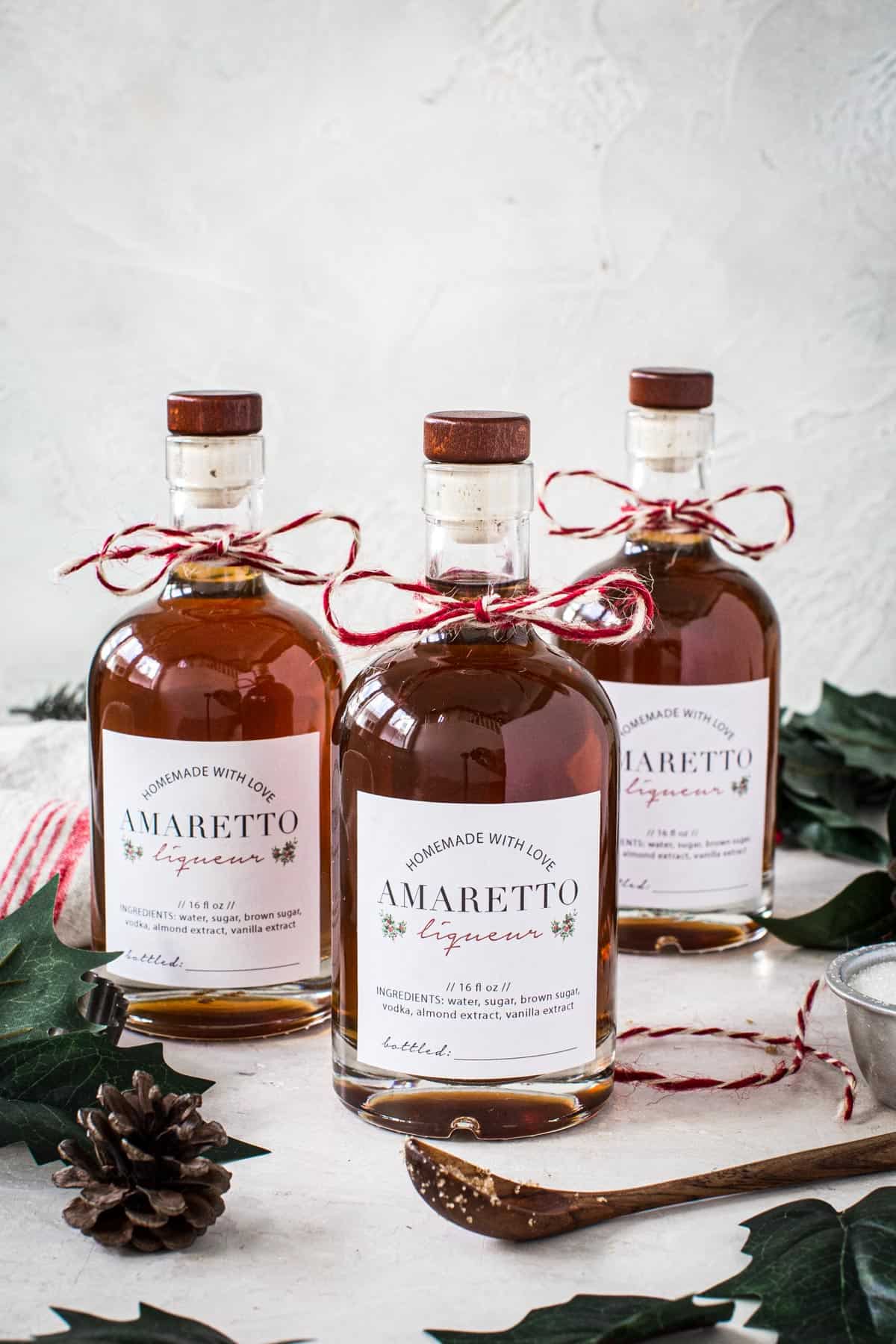
If you made these Infused Olive Oil Recipes I want to hear all about it! Share a photo and tag me on Instagram using @AimeeMarsLiving and #AimeeMars so I can see your beautiful work. Enjoy!
Infused Olive Oil Recipes
Ingredients
Basic Infused Olive Oil
- 1 cup Olive Oil
- 3 tablespoons Herbs or choice of flavor infusion
Dried Herb Blend (acidify)
- 1/4 cup Dried Rosemary
- 1/4 cup Dried Thyme
- 1/4 cup Dried Oregano
- 1½ tablespoons Citric Acid
- 1 cup Water
- 4 – 6 cups Olive Oil
Fresh Herb Blend (acidify)
- 12 sprigs Fresh Rosemary reserve a sprig for bottle
- 12 sprigs Fresh Thyme keep a small sprig for the bottle
- 12 sprigs Fresh Oregano reserve a sprig for the bottle
- 1½ tablespoons Citric Acid
- 1 cup Water
- 4 – 6 cups Olive Oil
Lemon Thyme Olive Oil (acidify)
- 2 Lemons, peel only reserve some peel for the bottle
- 6 sprigs Fresh Thyme reserve a sprig for the bottle
- 2½ teaspoons Citric Acid
- 1/2 cup Water
- 4 cups Olive Oil
Garlic Infused Olive Oil
- 1/3 cup Garlic coarsely chopped in 1/4-inch pieces
- 1½ tablespoons Citric Acid
- 1 cup Water
- 2 cups Olive Oil
Chili Infused Olive Oil
- 5 – 7 Dried Chilis sliced down the middle
- 2 cups Olive Oil
Bread Dipping Oil (acidify)
- 3 tablespoons Dried Oregano
- 3 tablespoons Dried Basil
- 3 tablespoons Dried Thyme
- 3 tablespoons Dried Rosemary
- 2 teaspoons Dried Parsley
- 1½ tablespoons Citric Acid
- 1 cup Water
- 4 cups Olive Oil
Instructions
Acidify
- If the flavor you choose does not need to be acidified skip to "Infuse" otherwise follow the steps to acidify the garlic or herbs.
- Place either the garlic or the herbs in the bottom of the medium bowl (the garlic needs a different amount of solution so it cannot be combined with the herbs).
- Mix the appropriate amount of citric acid with the coordinating amount of water and pour over the herbs or garlic (the amounts of citric acid and water are listed for each flavor and was specifically determined based on the combination and amount of herbs or garlic).
- Nest the smaller bowl on top of the herbs and or garlic so they are fully submerged in the solution. You can pour some water into the smaller bowl to weigh it down.
- Allow the garlic or herbs to soak at room temperature for 24 hours, which allows the acid to fully penetrate the ingredients and bring the acidity beyond the growth limit for bacteria.
Infuse
- Clip a candy thermometer to the size of a medium-sized saucepan and heat the oil to 140º F.
- Remove the herbs or garlic from the acidic solution and pat dry. Place in the oil. If flavor doesn't require acidifying then just add the ingredients to the oil.
- Heat for a maximum of 5 minutes to infuse the most amount of flavor. Anytime over 5 minutes may damage the oil.
- Strain the herbs or peels out of the oil and pour it into a prepared jar.
Store
- Add any decorative ingredients such as lemon peel or sprigs of fresh herbs (as long as they have been acidified) to the desired bottle.
- Strain the oil through a cheesecloth or a small strainer into a measuring cup to remove any particles from the oil.
- Arrange the small funnel on top of the bottle and pour the infused olive oil into the bottle and seal with the top or cork.
- Place the oil away from heat and light and keep it in the fridge for a longer shelf-life.
Notes
- Garlic, basil, oregano, and rosemary are all herbs that will need to be soaked in a citric acid solution to prevent the growth of harmful bacteria. Citric acid can be found in many grocery stores or stores where canning products are sold.
- The color of the green herbs will change slightly when soaking in the acidic solution.
- Keep the chopped garlic or herbs submerged by applying weight by placing a smaller bowl on top. You can even add some water to the bowl if necessary to weigh it down more.
- Acidic solutions that aren’t concentrated enough or decrease the soaking time could result in an unsafe oil.
- Use baker’s twine to tie around the neck of the bottle for a pretty gift.
Storage Information:
- Fresh Ingredients: Infused oils made with fresh herbs and fresh garlic will last for up to 2 to 3 weeks stored in the fridge if you follow the acidification process (if required). If you choose not to do the acidification process the oil should be stored in the fridge and used within 2 to 4 days.
- Dried Ingredients: Other flavor combinations and dried herb-infused oil will last up to 3 months if stored in a cool dark place such as a pantry.